
VOLUME 01 ISLAND INSIGHT • CHAPTER 01
Nusa Lembongan, Then and Now
How Nusa Lembongan and Ceningan Changed and What Still Holds Them Together
- August 10, 2026
- 7 Minutes Read
Over the past several decades, Nusa Lembongan and Ceningan have grown from working island communities shaped by the sea into busy visitor economies. Seaweed farming, tourism, local business and community life now share the same small landscape.
Before Nusa Lembongan became a destination
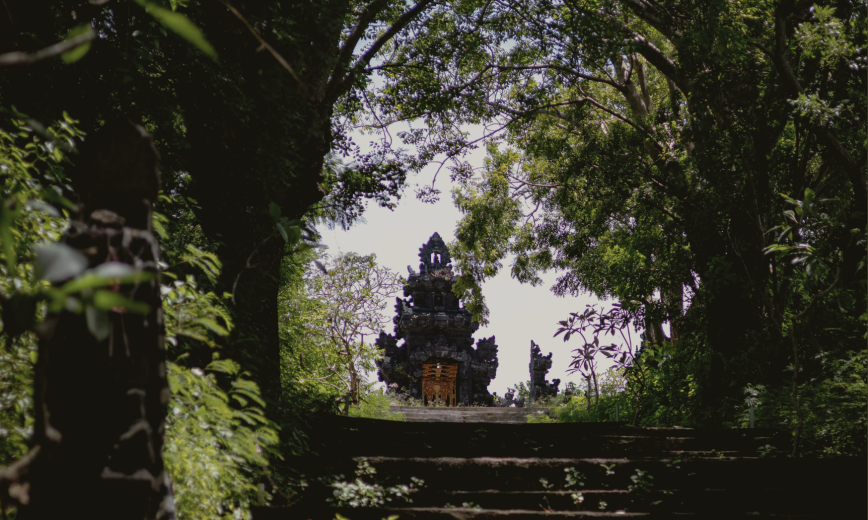
Nusa Lembongan and Ceningan were established island communities long before they appeared on international travel maps. Daily life centred on the sea, family and village. Fishing, small-scale agriculture and trade supported local households. Boats connected the islands with Bali and the wider Nusa Penida area, carrying people, food and essential goods across the water.
The calendar was shaped by more than work. Temple ceremonies, customary responsibilities and community activities influenced how people organised their days. Weather and tide determined when boats could travel and when work along the coast could begin.
The islands were connected to the outside world, but much of daily life depended on what could be produced, carried and organised locally. That relationship with the sea became even more important when seaweed cultivation began reshaping the local economy.

When the shallows become working field
From the 1980s onwards, seaweed farming became one of the islands’ most important sources of income.
The shallow waters around Nusa Lembongan and Ceningan were divided into working plots marked by stakes and cultivation lines. Families entered the water at low tide to tie seedlings, tend their crops and carry harvested seaweed back to shore. Open spaces near homes, beaches and village roads became drying areas.
Seaweed farming created income close to home and involved entire households. Knowledge of the water, crop and season passed between relatives and neighbours through daily experience.
For more than three decades, this work helped support local families. It also created one of the defining images of Nusa Lembongan: a coastline used not simply as scenery, but as a place of production. Seaweed cultivation still forms part of island life today, although its scale and economic role have changed as tourism and construction created different ways to earn a living.
Tourism grew one business at a time
There was no single moment when Nusa Lembongan became a tourism island.
The transition happened gradually. Small guesthouses opened. Surfing and diving attracted visitors who wanted to stay longer. Local boats began carrying more passengers, and restaurants, transport services and marine businesses developed around the new demand.
For many island families, tourism created opportunities to turn existing knowledge into a business.
Someone who understood the sea could work in diving, surfing, fishing trips or marine transport. A family with suitable land could open accommodation. Cooking, driving and island connections could support a restaurant, tour service or supply business.
This growth did not benefit everyone in the same way. Access to land, capital, education and business networks affected who could start an enterprise and who entered the industry as an employee. Even so, more livelihoods became connected to visitors, and local businesses began serving both the community and a wider market.
What has not changed
The islands may look different, but many of the relationships holding them together remain familiar.
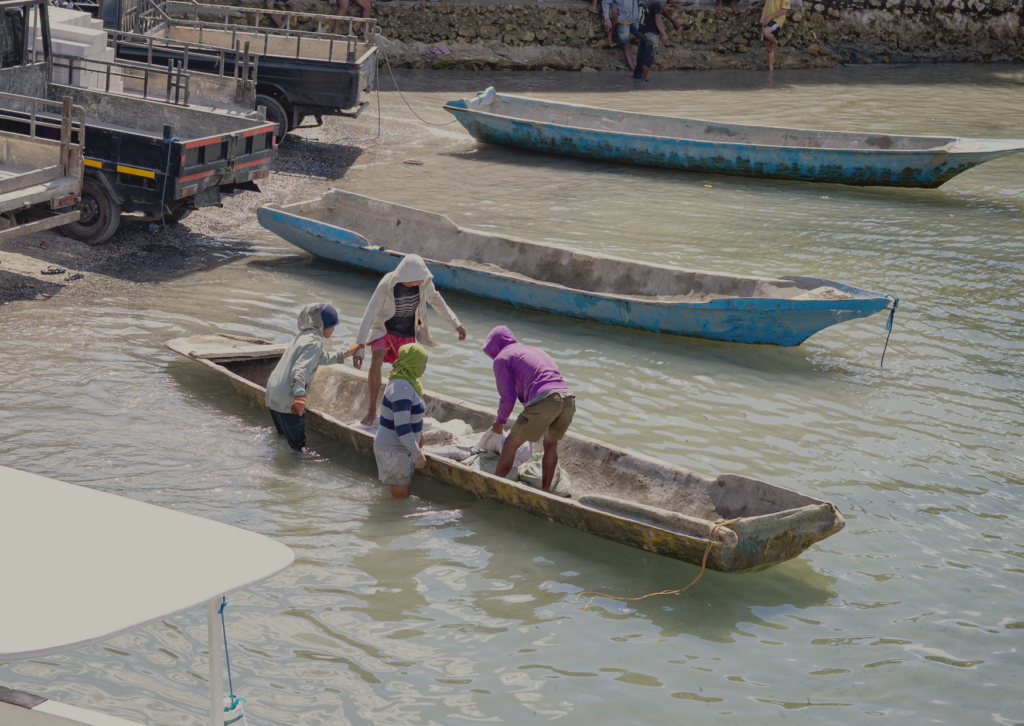
Ceremonies continue to influence the rhythm of daily life. Banjar responsibilities exist alongside business schedules. Family and community networks still play an important role in how work, information and opportunities move through the islands. The sea remains part of almost every system.
Visitors, workers, food, fuel, building materials and equipment must all cross the water. Weather can interrupt a delivery or change a travel plan. The tide still determines what can happen along parts of the coast.
This is why Nusa Lembongan and Ceningan cannot be understood only as destinations. They are living communities where modern businesses operate within existing social, cultural and environmental conditions.
Then and now are part of the same story
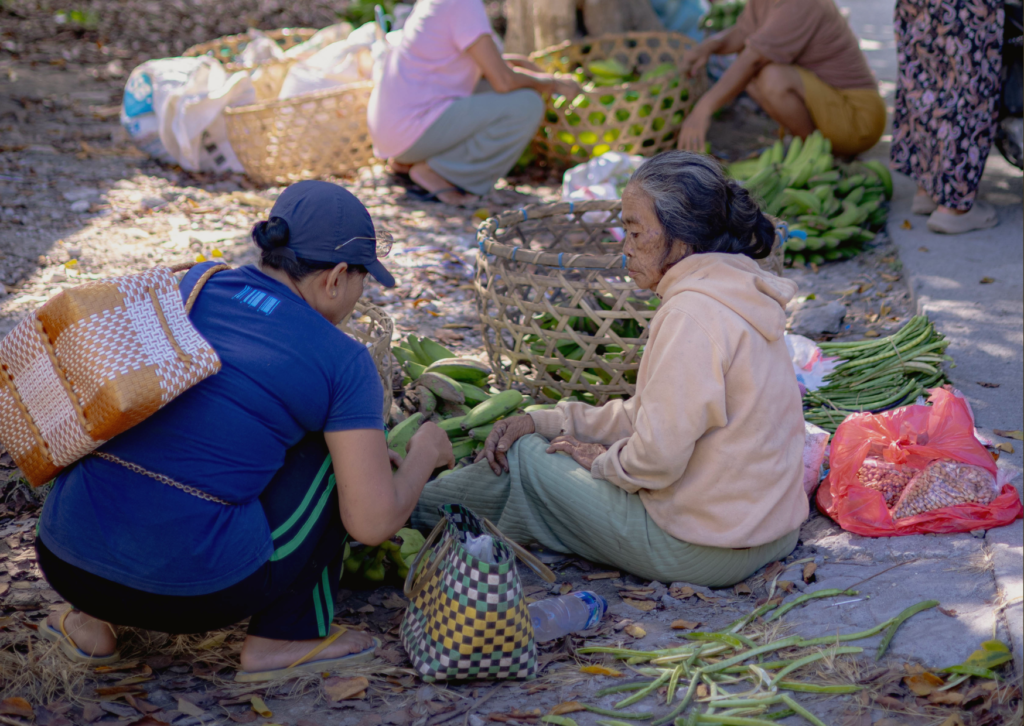
The old and new versions of Nusa Lembongan are not difficult to find. They often appear in the same view.
Seaweed plots sit within sight of restaurants and accommodation. Cargo boats unload supplies near passenger arrivals. Family compounds share village roads with villas, dive centres and local businesses. A ceremony can briefly change the movement of an otherwise commercial day.
These are not separate versions of the island. Together, they explain what Nusa Lembongan and Ceningan have become.
For visitors, knowing this history offers a better understanding of the place beyond its coastal image.
For businesses and investors, it shows why local relationships, infrastructure and community context are inseparable from opportunity.
For the people who live here, the next chapter is not only about attracting more development. It is about deciding what kind of growth can work within the islands’ limited land, resources and infrastructure while continuing to create value locally. Nusa Lembongan has never stood still. Beneath every new business, building and arrival, the island that was already here continues to shape what comes next.
// Source
- - Aquatic Living Resources: Mapping and Estimating Seaweed Harvest Potential
- - BPS Klungkung: Kabupaten Klungkung Dalam Angka 2025
- - Jurnal Pendidikan Ilmu Sosial: The Impact of Tourism Development on the Local Community of Nusa Lembongan
- - Andréfouët and others: Seaweed Farming Collapse and Fast-Changing Socio-Ecosystems in Nusa Lembongan